Exploring Vintage Digital Papers and Patterns: A Timeless Design Resource
In today's fast-paced digital world, where trends come and go in the blink of an eye, there's a growing appreciation for vintage design elements. Vintage digital papers and patterns have become a favorite among creatives for their nostalgic charm and timeless appeal. This article explores what these design assets are, why they're valuable, and how they can be used in a variety of creative projects.
What Are Vintage Digital Papers and Patterns?
Vintage digital papers are high-resolution, seamless background designs that mimic the look of old-fashioned paper textures. These are typically available in formats like JPEG or PNG and come in various sizes and color schemes. Vintage patterns, on the other hand, refer to repeating motifs inspired by historical design styles—such as Art Deco, floral borders, or retro typography.
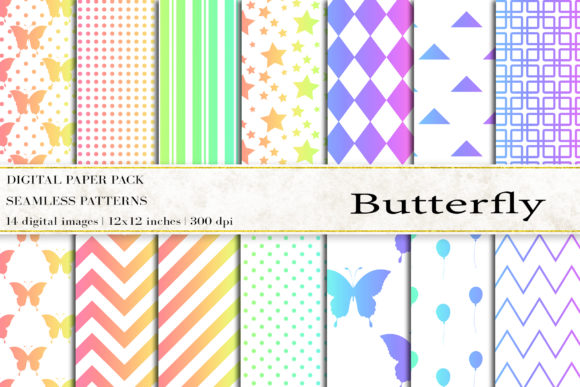
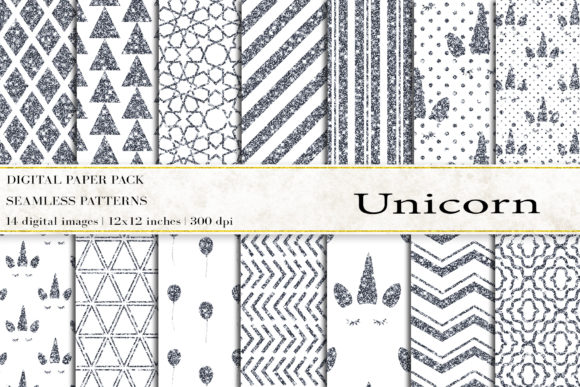
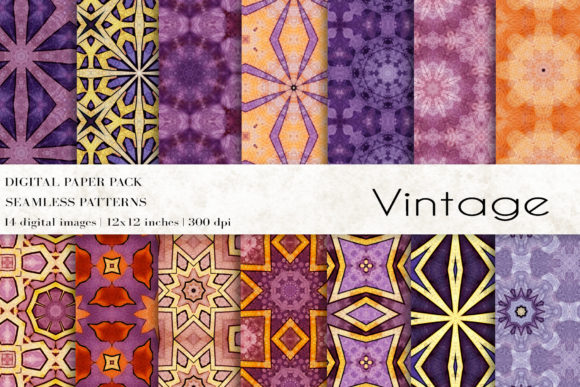
This particular set includes 14 vintage seamless patterns and 14 digital papers, all sized at 12x12 inches and formatted at 300 DPI for print quality. The collection is ideal for those who want to infuse their projects with a sense of nostalgia and character.
The Appeal of Vintage Design
There's something undeniably appealing about vintage design. It evokes a sense of history and craftsmanship that modern, sleek designs often lack. Whether it's the intricate details of a 1950s floral pattern or the muted tones of a classic paper texture, vintage elements offer a unique aesthetic that stands out in a sea of contemporary visuals.
Moreover, using vintage design assets can help create a cohesive visual identity for personal or business projects. For example, a wedding invitation designed with a vintage pattern might feel more elegant and personal than one with a generic modern layout.
Why Use Vintage Digital Papers and Patterns?
There are several reasons why designers, crafters, and creators are turning to vintage digital papers and patterns:
- Timeless Style: Vintage designs never go out of fashion, making them a versatile choice for any project.
- Cost-Effective: Digital downloads eliminate the need for physical materials, saving both time and money.
- Customization: These resources can be easily edited and adapted to suit individual needs.
- Wide Range of Applications: From scrapbooking to branding, vintage design assets are incredibly adaptable.
Practical Uses for Vintage Digital Papers and Patterns
The versatility of vintage digital papers and patterns makes them suitable for a wide range of creative applications. Here are some common uses:
- Scrapbooking: Vintage papers and patterns add depth and character to photo layouts.
- Cardmaking: They provide a rich backdrop for greeting cards, invitations, and thank-you notes.
- Planner Stickers: Custom stickers made with vintage designs can personalize planners and bullet journals.
- Business Cards and Logos: Incorporating vintage elements can give a brand a unique and memorable identity.
- Decoupage and Crafts: These designs can be printed and applied to various surfaces for decorative purposes.
Additionally, they are perfect for DIY projects such as wrapping paper, book covers, and even jewelry design. The ability to blend vintage aesthetics with modern technology makes these resources invaluable for both beginners and experienced creators alike.
How to Use Vintage Digital Papers and Patterns Effectively
While vintage digital papers and patterns are easy to use, there are a few tips to help you get the most out of them:
- Layering: Combine different vintage elements to create a layered, textured look.
- Color Coordination: Choose designs that complement your project’s color scheme for a harmonious result.
- Experimentation: Don’t be afraid to try new combinations and techniques to discover your unique style.
- Print Quality: Always ensure you're printing at 300 DPI for the best results, especially for physical projects.
By understanding how to effectively incorporate vintage design elements, you can elevate your creative work and make it stand out in a competitive market.
Common Misconceptions About Vintage Design
One common misconception is that vintage design is only for older audiences or specific industries. In reality, vintage elements can be incorporated into virtually any project, from modern branding to minimalist interiors. Another misunderstanding is that vintage design lacks versatility. On the contrary, its adaptability allows it to fit seamlessly into a wide range of contexts and styles.
Furthermore, some people believe that using vintage design elements limits creativity. However, the opposite is true. Vintage design encourages thoughtful curation and intentional design choices, which can enhance the overall impact of a project.
Conclusion: Embracing the Nostalgic Aesthetic
As we continue to navigate a rapidly evolving digital landscape, the enduring appeal of vintage design remains strong. Whether you're a hobbyist, a professional designer, or someone looking to add a touch of elegance to your personal projects, vintage digital papers and patterns offer a wealth of possibilities.
With their timeless beauty, practical applications, and endless customization options, these design assets are more than just a trend—they’re a valuable tool for anyone passionate about creativity. By embracing the nostalgic aesthetic of vintage design, you can create projects that are not only visually striking but also deeply meaningful.