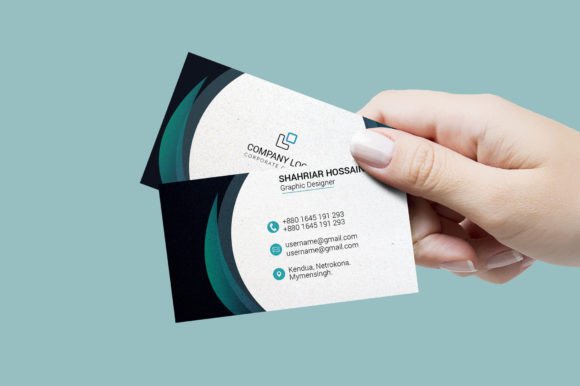
Professional Business Cards Design: A Practical Guide for Modern Professionals
In today’s fast-paced professional environment, first impressions matter more than ever. Whether you're launching a new business, networking with clients, or expanding your personal brand, a well-designed business card can serve as a powerful tool. Professional Business Cards Design is not just about creating a visually appealing piece of paper—it's about crafting a strategic asset that aligns with your brand identity and communication goals.
The Role of Professional Business Cards in Branding and Networking
A professionally designed business card is more than an introduction; it's a representation of your professionalism, creativity, and attention to detail. It plays a crucial role in branding by reinforcing your visual identity across all touchpoints. When someone receives a well-crafted card, they are more likely to remember your name, your contact information, and the overall impression you make.
Moreover, business cards are essential for networking. In industries where face-to-face interactions are common—such as marketing, consulting, or entrepreneurship—a physical card can be a valuable tool for follow-up. It provides a tangible way to share your contact details and encourages further engagement. For freelancers and small business owners, this can lead to new opportunities and collaborations.
Key Features of a Professional Business Card Design
A high-quality business card design should include several key elements to ensure it meets both aesthetic and functional standards. These include:
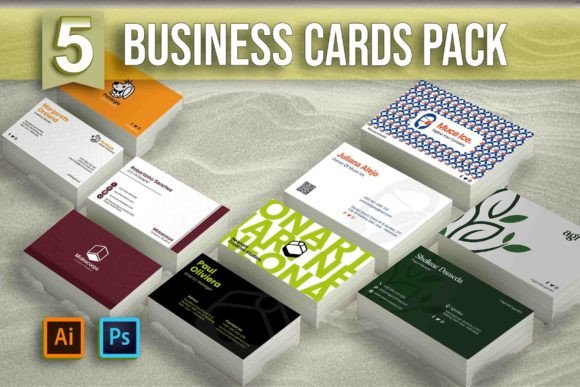
- Professional AI File: Allows for easy editing and customization using design software like Adobe Illustrator.
- EPS File: Ensures compatibility with various design platforms and maintains scalability without loss of quality.
- Fully Editable File: Gives you complete control over text, colors, and layout, making it simple to adapt the design to your needs.
- JPG File: Provides a ready-to-use print-ready version for quick distribution.
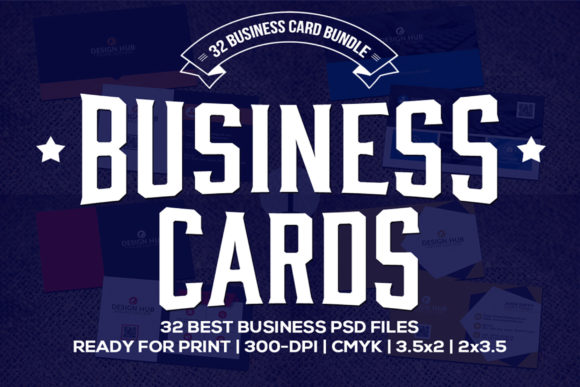
- 300 DPI Resolution: Ensures sharp, clear prints that maintain quality when printed on standard business card stock.
- CMYK Color Mode: Optimizes color accuracy for print, ensuring your design looks as intended when produced.
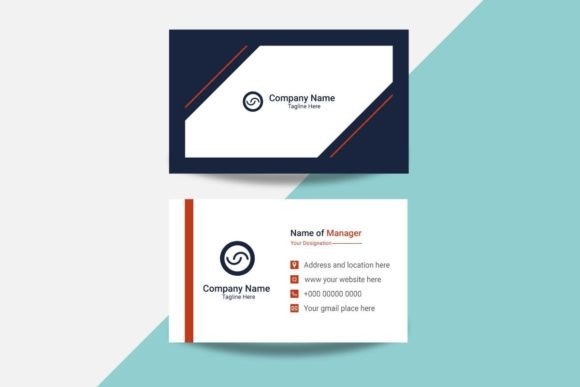
- 3.5×2 Inch Dimension: Standard size that fits most printers and is widely accepted in professional settings.
These features collectively contribute to a seamless workflow, allowing you to create, customize, and distribute your business cards efficiently.
Integrating Business Card Design into Your Workflow
Professional Business Cards Design fits naturally into a variety of workflows, from initial project planning to post-launch promotion. Here are a few scenarios where it can be particularly useful:
Before a Project Launch
If you're preparing to launch a new product, service, or creative endeavor, a well-designed business card can serve as a pre-launch tool. It helps build anticipation and establishes your presence in the market before the official release. This is especially effective for entrepreneurs and creators who rely on word-of-mouth and networking to gain traction.
During a Creative Process
For designers, writers, or consultants, a consistent business card design reinforces your brand across all client interactions. It ensures that every time someone engages with your work, they see a unified representation of your professional identity. This consistency builds trust and credibility over time.
After a Decision or Purchase
When you’ve made a significant decision—whether it's starting a new business, changing careers, or investing in a new project—a professional business card can act as a symbolic milestone. It serves as a reminder of your commitment and progress, while also providing a means to connect with others who may benefit from your expertise.
Collaboration and Compatibility in Business Card Design
Professional Business Cards Design often involves collaboration between designers, clients, and printers. Ensuring compatibility across these roles is essential for a smooth process. The inclusion of multiple file formats—such as AI, EPS, and JPG—facilitates this by allowing each party to use the files in their preferred software.
Designers can work with editable files to refine layouts and colors, while printers can use the final output for production. This flexibility reduces the risk of errors and ensures that the final product meets both creative and technical requirements.
Practical Tips for Effective Implementation
Implementing a professional business card design requires careful planning and execution. Here are some practical tips to help you along the way:
- Define Your Brand Identity: Before designing, ensure your card reflects your brand’s core values, tone, and visual style. Consistency is key to building recognition.
- Choose the Right Tools: Use industry-standard design software like Adobe Illustrator or InDesign for maximum flexibility and quality.
- Test Print Samples: Always test your design with a sample print to catch any issues before mass production.
- Organize Your Files: Keep your design files organized in a dedicated folder. This makes it easier to access and modify them as needed.
- Consider Long-Term Use: Design with future changes in mind. A flexible layout allows for easy updates without requiring a complete redesign.
By following these steps, you can ensure that your business card remains relevant and effective over time.
Conclusion
Professional Business Cards Design is a vital component of modern professional communication. It enhances your brand visibility, supports networking efforts, and provides a tangible representation of your expertise. By understanding how to integrate it into your workflow and choosing the right tools and formats, you can create a business card that stands out and delivers lasting value.